
Ethos Automation / How we work
Every discipline, the same four questions.
What gets settled before the work starts, how the teams stay on one version of the job, what happens when something changes, and what you are handed at the end.
This is the process Ethos presented at its 2026 open house, written by the people who run each stage. It is the same four headings every time, because the four questions are the same every time.
THE FOUR PHASES
Plan
What gets settled before the work starts.
Align
How the disciplines stay on one version of the job.
Adapt
What happens when something changes, because it will.
Deliver
What you get, and how it is proven.
Application
The stage before there is a project: working out whether the thing is worth building, and what it should cost.
Plan
- An enquiry arrives as a part, a process, or a problem. A finished specification is not required and is rarely what arrives.
- Applications reviews the real production requirement behind it: volumes, cycle time, the number of variants, and the constraints of the plant the cell has to live in.
- Where feasibility is genuinely unknown, a short paid proof of principle is scoped so the question gets answered before a full system is committed to.
Align
- A concept is developed against the customer's own standards rather than a generic cell, because a cell nobody in the plant can maintain is not a saving.
- Every quote is revision controlled, so what changed between one revision and the next is a matter of record rather than memory.
Adapt
- A scope change before award is a new revision, not a verbal adjustment.
- Where a concept will not hit the target, Applications says so and re-scopes, rather than quoting a number it does not believe.
Deliver
- A quote tied to a concept, with the assumptions behind it written down.
- On award the quote becomes the project: the opportunity, the estimate and the project record are the same thread, so what was quoted is what the project manager runs to.
Project Management
One point of contact, one plan of record, and a formal path for the things that go wrong.
Plan
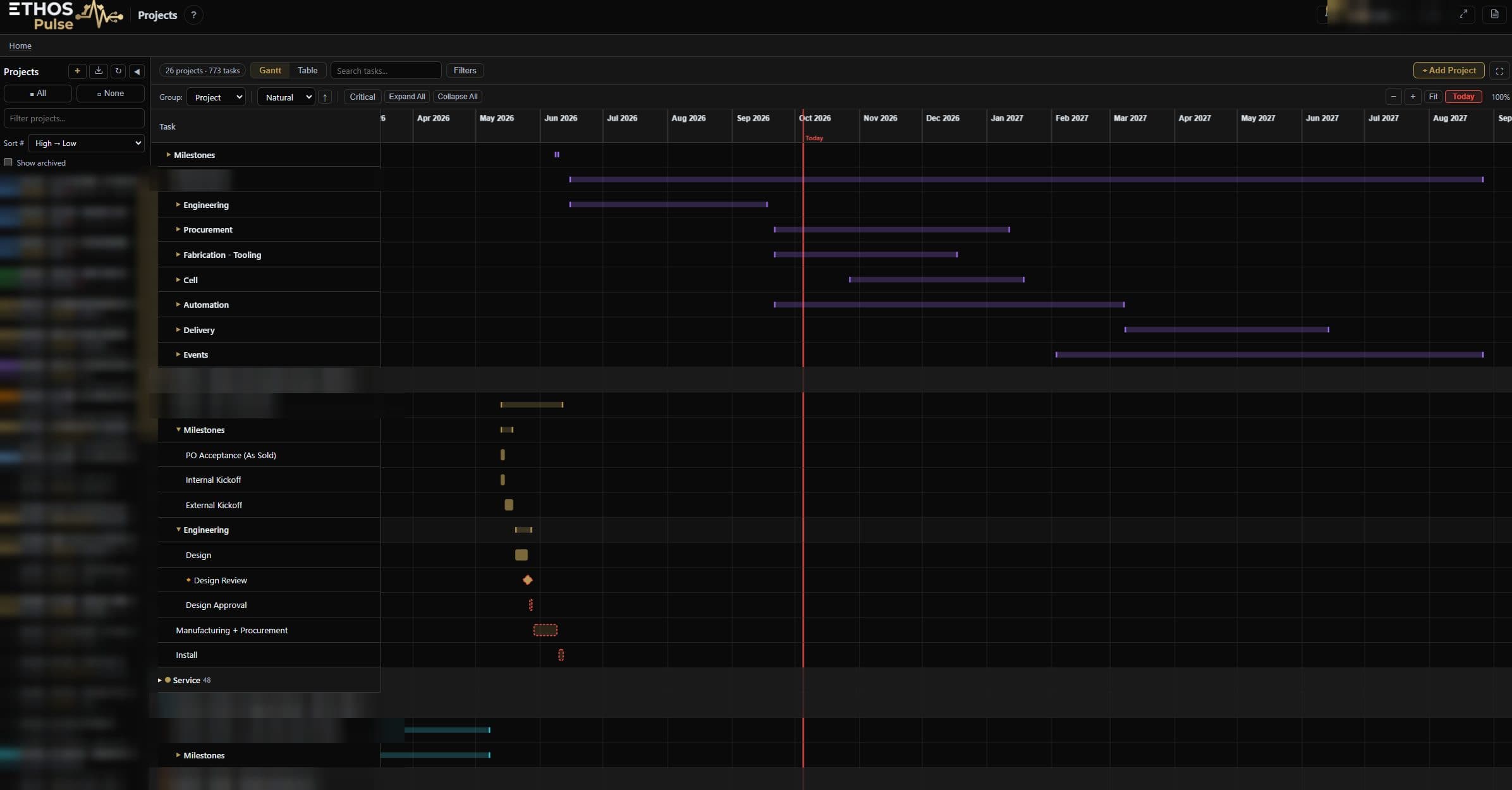
- Timeline built and tracked on a Gantt schedule, with resourcing assigned against it before work begins.
- Risk assessment completed up front, to flag potential issues before they become problems.
- Budget sheets set up to track spending monthly against the plan.
Align
- A project book holds the vitals of the job in one document: the CAD data revision the team is building to, the open issues, the schedule, the design and build trackers, and every deviation from scope. One place to look rather than five people to ask.
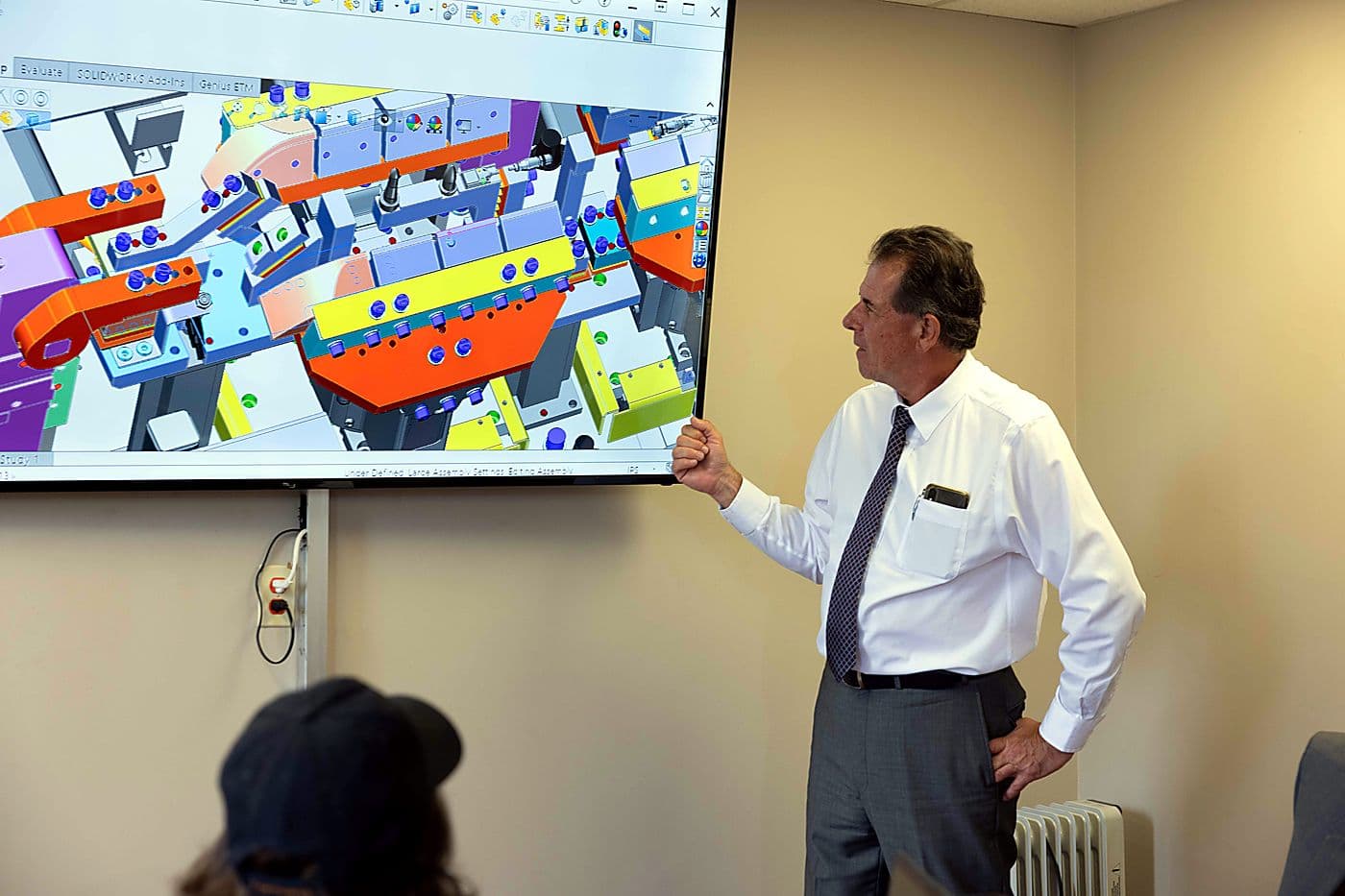
- Scope of work presented at a kickoff, so every department starts from the same understanding of goals and roles.
- A dedicated project manager as single point of contact, with meeting updates sent out immediately after every call.
- Recurring whiteboard meetings from early design through final buy-off, bringing engineering, PM and the other teams together to review open issues, give status, and put a name against each one.
Adapt
- Issues with no clear path forward are escalated by the PM through a formal red flag procedure.
- Customer-driven scope additions trigger an engineering change order, with the revised timeline, budget and resources communicated back at the next whiteboard meeting.
- Internal shifts, a vendor delay or a resourcing gap or a design conflict found in review, are absorbed by re-baselining the schedule and budget, so the plan of record stays accurate instead of waiting for the next milestone.
Deliver
- Schedule and status tracked live in Pulse, feeding the weekly updates shared with customers.
- A lessons learned meeting after closure, so improvements carry forward project over project.
- Internal buyoffs and inspections completed ahead of stakeholder buyoff, confirming the project is ready before the customer signs it off.
Mechanical Design
Simulation at the concept stage, not after the design is locked.
Plan
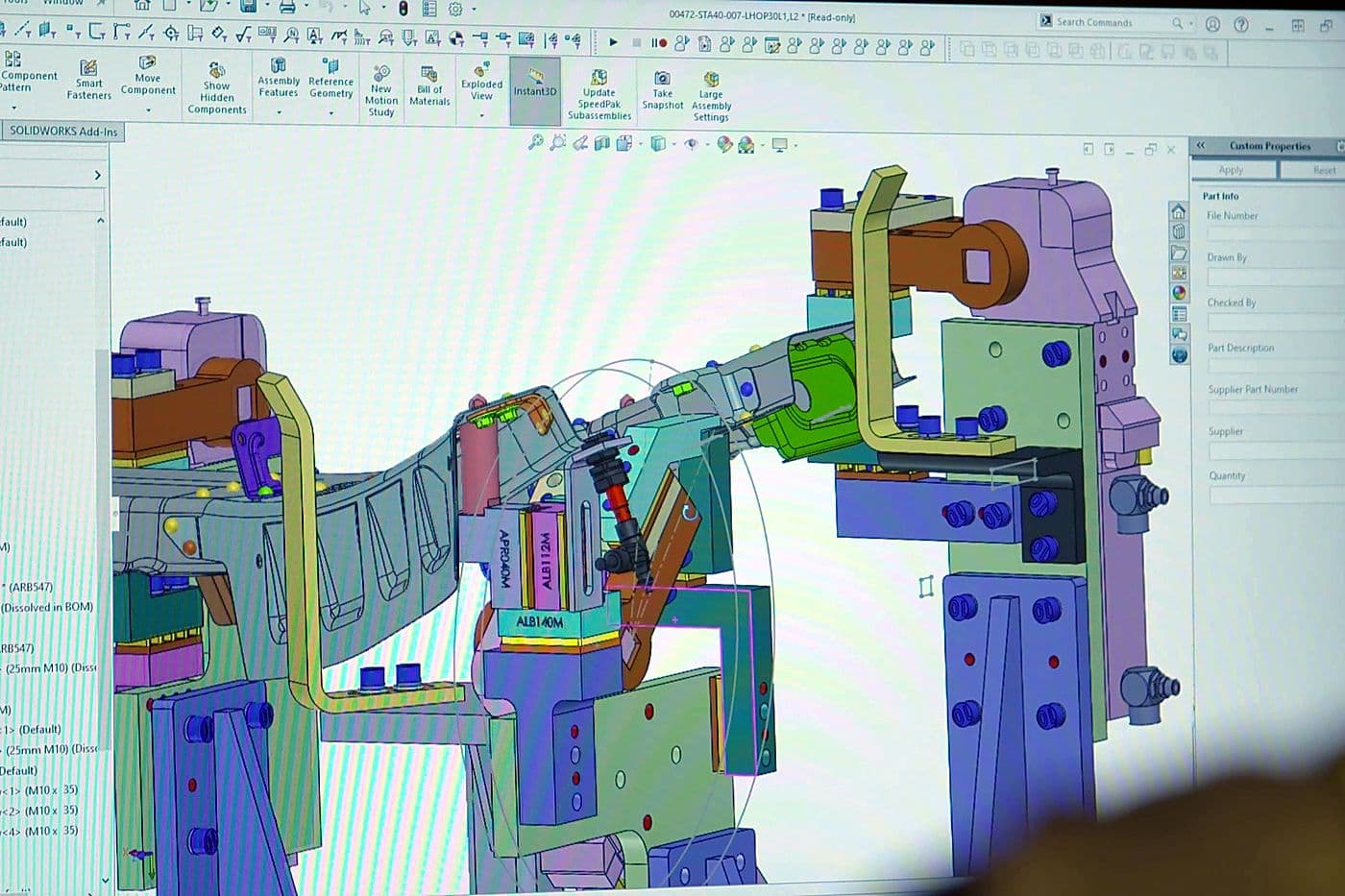
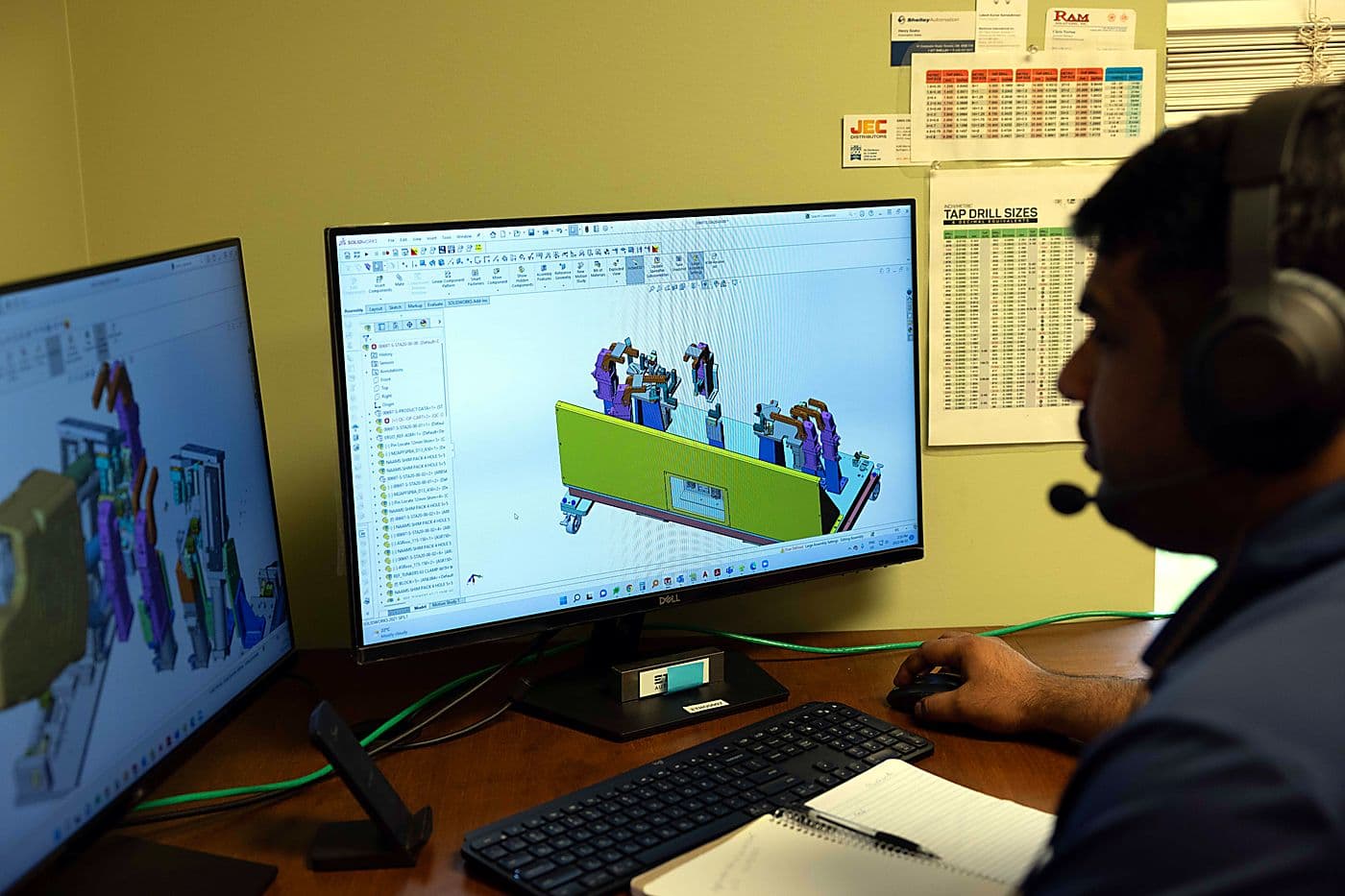
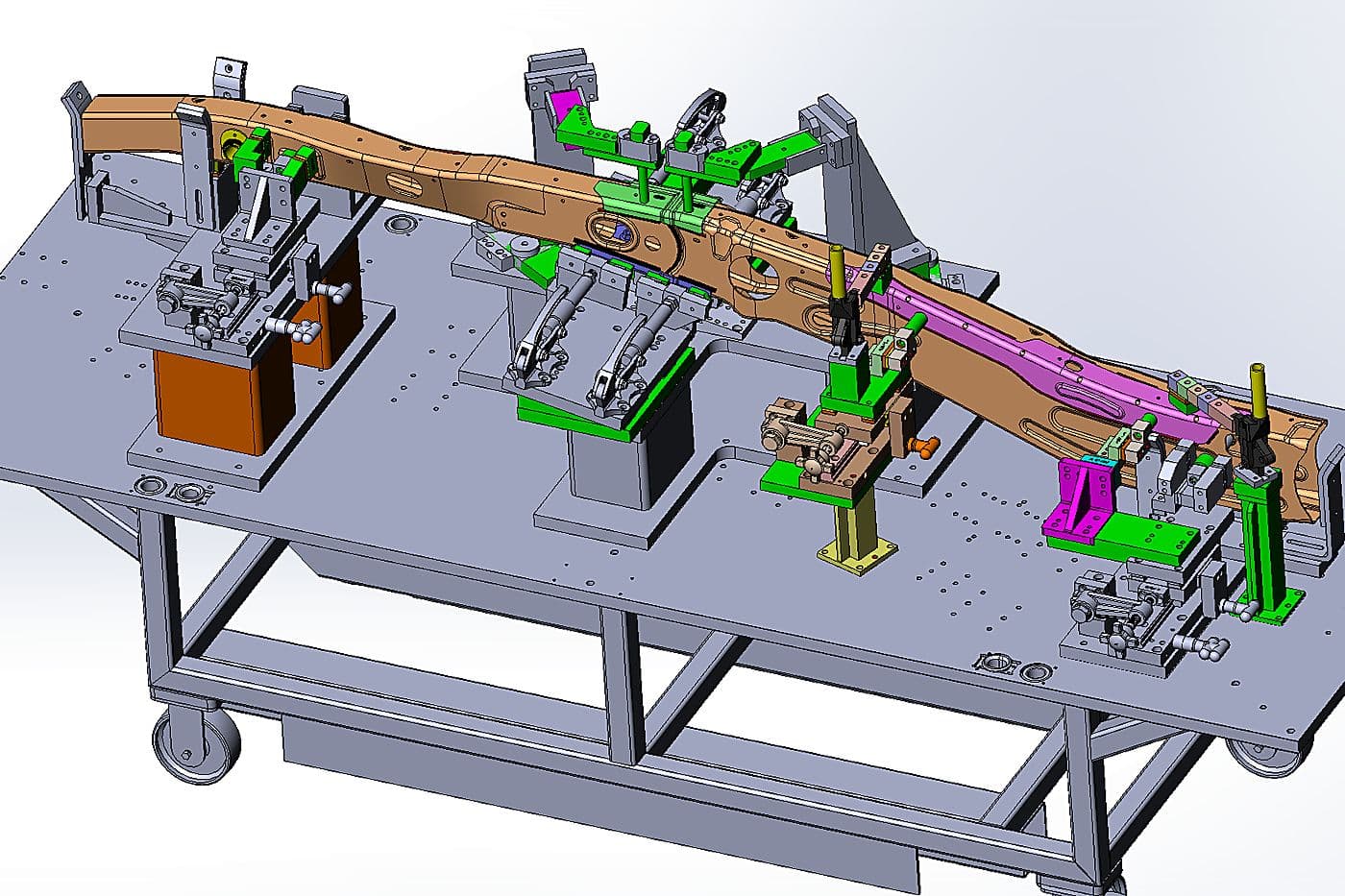
- Concept layouts in SolidWorks and AutoCAD. Scope and concepts established up front rather than iterated on the fly.
- Simulation run early to validate concepts, confirming the direction is sound before committing to detailed design.
- Customer standards built in from day one, not retrofitted later.
Align
- Simulation engaged at the concept stage, not after the design is locked, so the design is optimised against the real engineering challenge while it is still cheap to change.
- Customer buy-in gathered on the validated concept before detailed design moves forward.
Adapt
- Detailed design work, actuators and forces and further simulation, drives the concept toward a design ready for approval.
- Mid-project changes trigger a pivot: a supplier or customer design change, a new requirement such as a cycle time shift, sometimes a full revamp of scope.
- Scope re-aligned, engineering changes and deviations recorded, schedule redefined.
- Design review and approval follow directly, which keeps the project moving instead of restarting it.
Deliver
- Design and delivery are about solving problems and communicating the solution to everyone who needs it, including the customer and the Ethos team doing the build.
- Manufacturability and design intent brought together against the scope that actually matters.
- Concise communication, so the teams that come next have what they need.
Systems Design
Electrical and controls working from one drawing set, not two parallel ones.
Plan
- An inventory of the components needed, quantities and types, before design work starts.
- The schematic and drawing standard chosen for the job, based on what the customer requires.
- Preliminary drawings produced, then a first revision pass against that scope and standard.
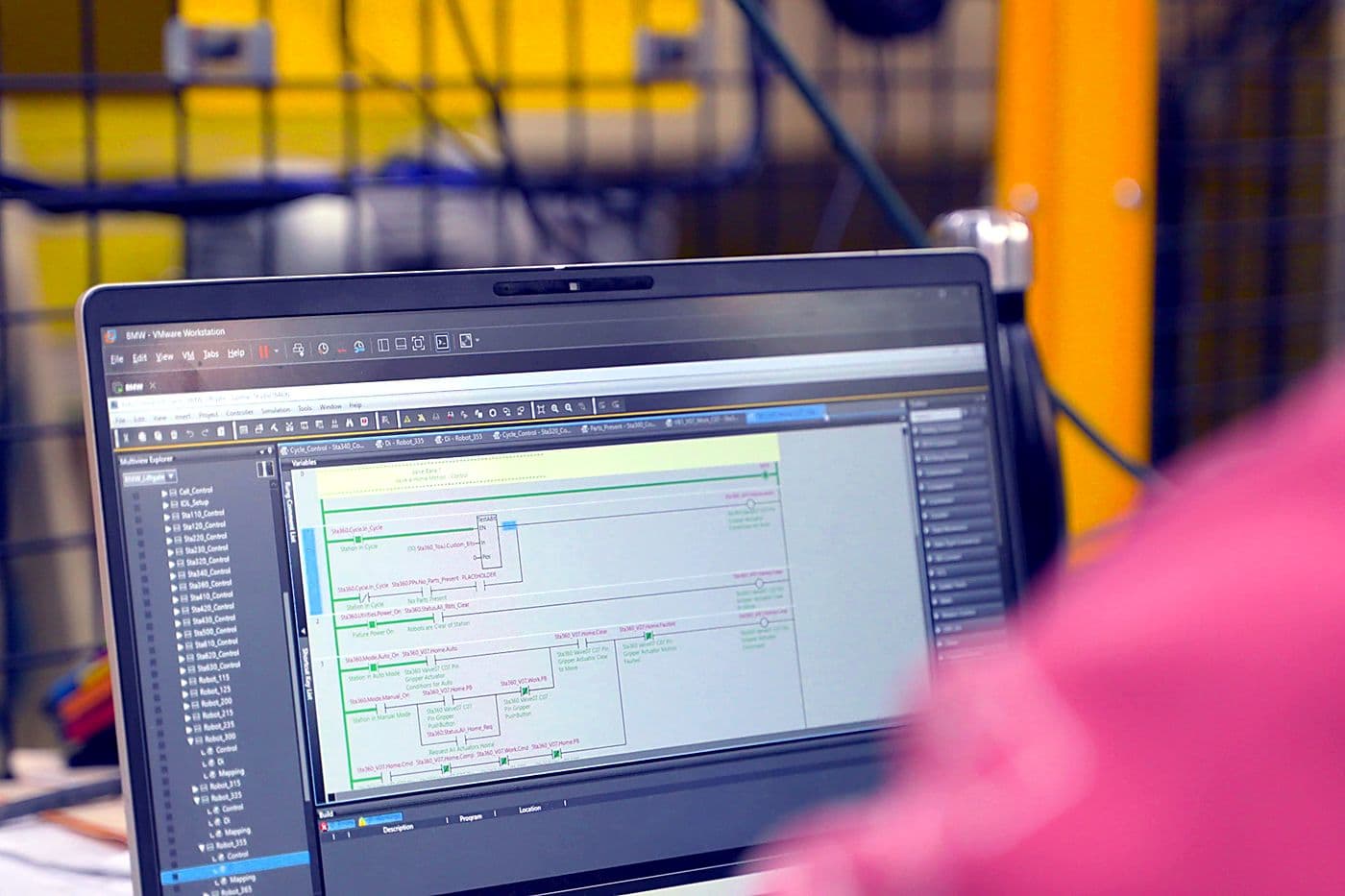
- Offline code created as the base for the project.
Align
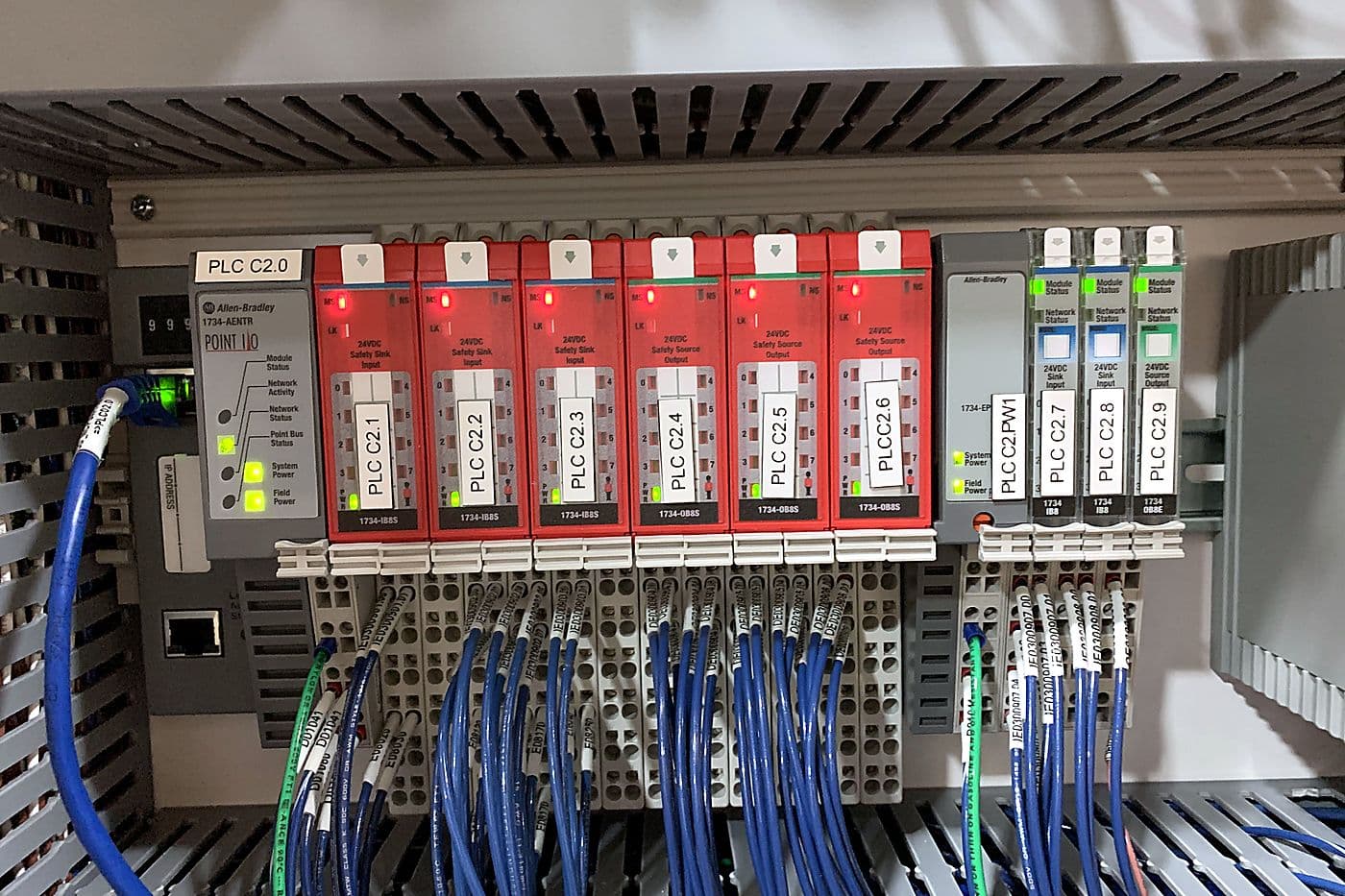
- Electrical owns power distribution, panels, wiring, safety circuits and device layouts.
- Controls works from that same drawing set for I/O and PLC programming, so everyone works from one shared source instead of parallel documents.
- Weekly meetings keep electrical, controls and mechanical design aligned on job information.
- All three confirm compatibility with each other before work moves forward.
Adapt
- Identify which electrical and controls documents a change affects, then coordinate it with mechanical design and automation.
- Update schematics, panel layout, BOM, I/O and PLC documentation, all captured as as-built revisions.
- Stay synced with electricians, robot programmers and machine builders throughout the change.
- Live PLC, HMI and robot function changes are common, and they often diverge from the original offline code.
Deliver
- As-commissioned drawing packages: the finalised version of every schematic.
- All equipment confirmed running with adequate power.
- All electrical work verified safe to standard.
- Accurate 2D and 3D models and schematics, produced in E-Plan and AutoCAD.
Pulse
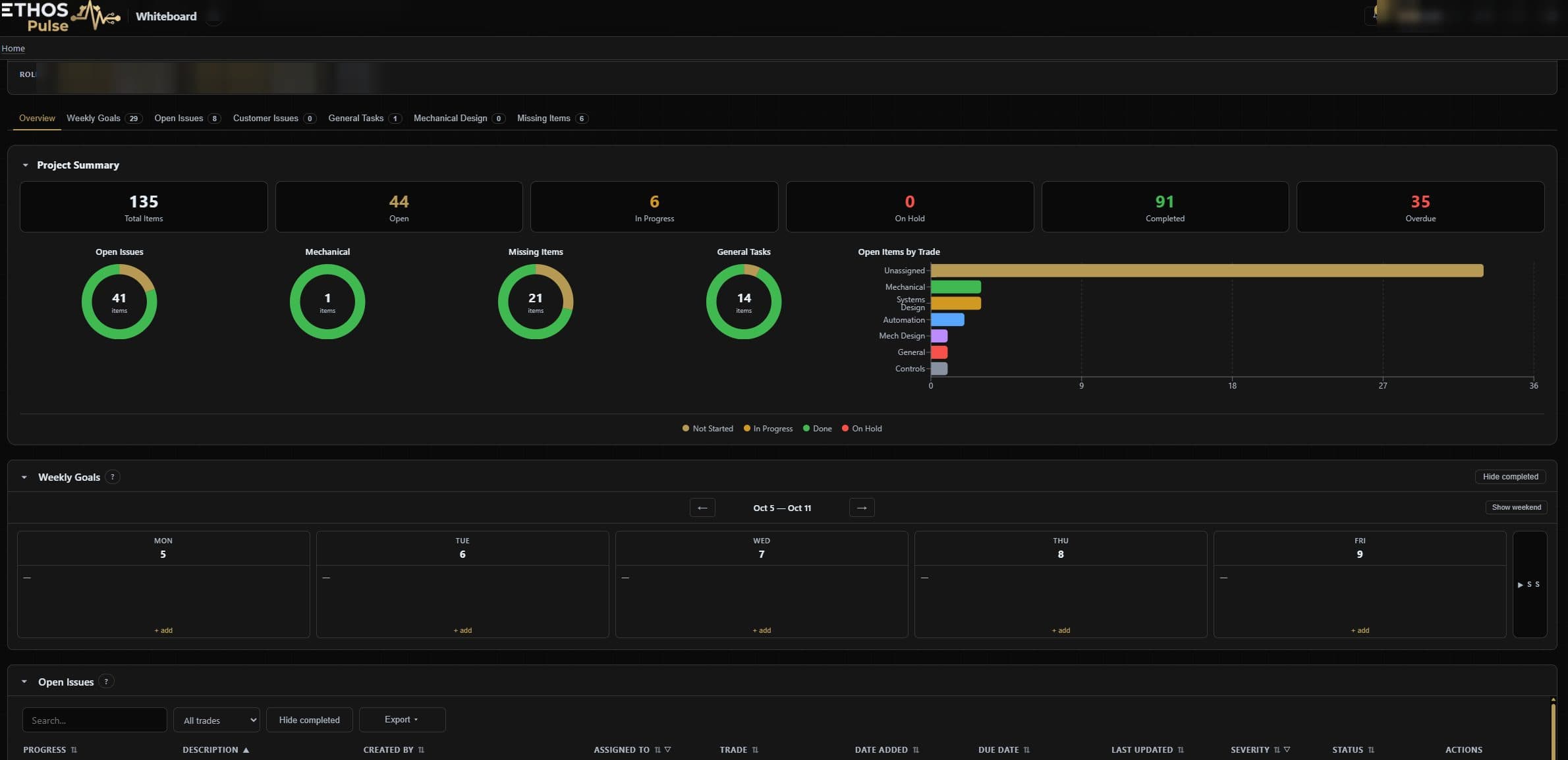
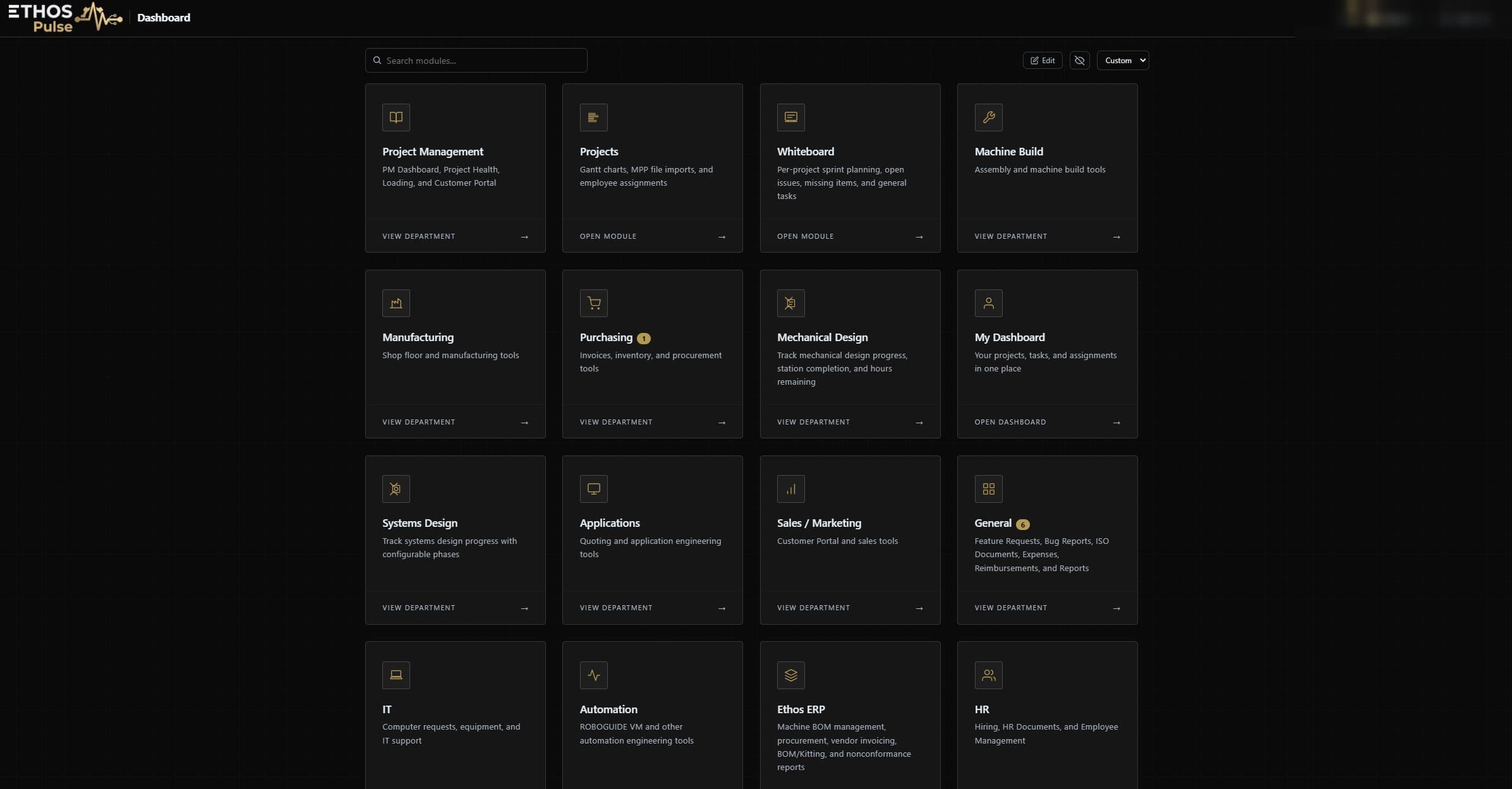
The system the other eight stages run on. One record per project, shared by every department.
Plan
- A project is created with its number, its project manager and its budget before any work starts, carrying the estimate through from the quote so the budget tracked against is the one that was sold.
- Resourcing is assigned by department against the schedule: applications, project management, mechanical design, systems design, automation, machine build, purchasing and quality.
- Capacity is planned across every live project at once rather than one project at a time, so a commitment made here is visible to everyone it affects.
Align
- One record per project instead of a spreadsheet per department. Schedule, budget, drawings, bills of material, purchase orders and build status sit on the same project.
- A drawing release and the parts it generates are connected, so the purchase queue moves when design moves rather than when somebody remembers.
- The build tracker and live shop views show what is actually on the floor against what was planned.
- Pulse is linked to the ERP, so project numbers, costs and purchasing agree rather than being reconciled later.
Adapt
- A change on one side appears on the others. A revised bill of material moves the purchase queue; a supplier slipping a date shows against the schedule the same day.
- Capacity and loading views show what a change costs everyone else's week, not just this project's.
- Project health surfaces a project drifting before the next milestone review, which is the point at which it is still cheap to fix.
Deliver
- Live schedule and status, which is where the weekly customer update comes from rather than someone rebuilding it by hand.
- A customer portal is being built on top of it, so the customer will see the same record the team is working from rather than a copy of it. Not live yet.
- Built in house, and run the same way as everything else: Pulse's own updates and version releases are scheduled, tracked and released as a project inside Pulse.
Fabrication
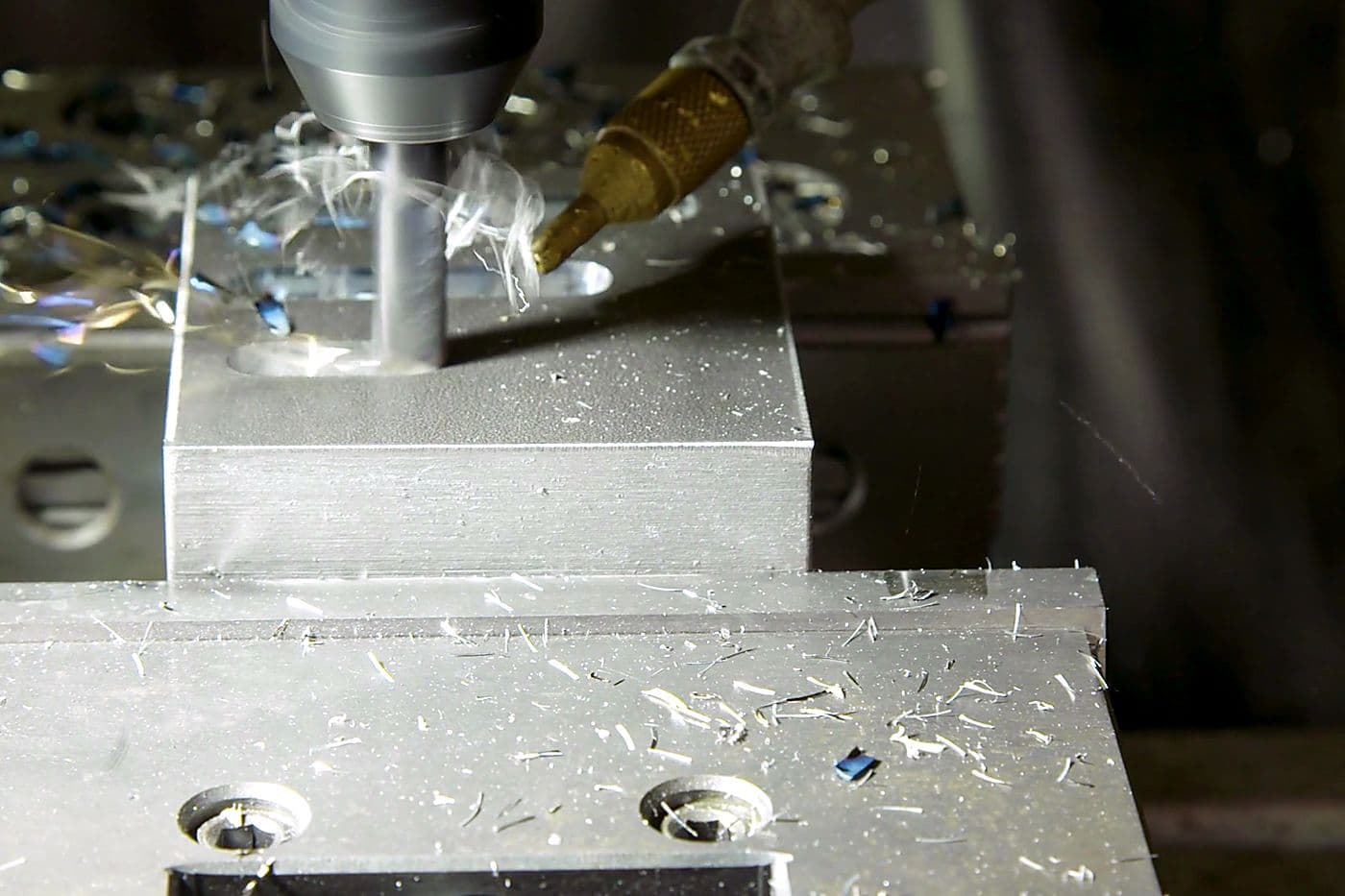
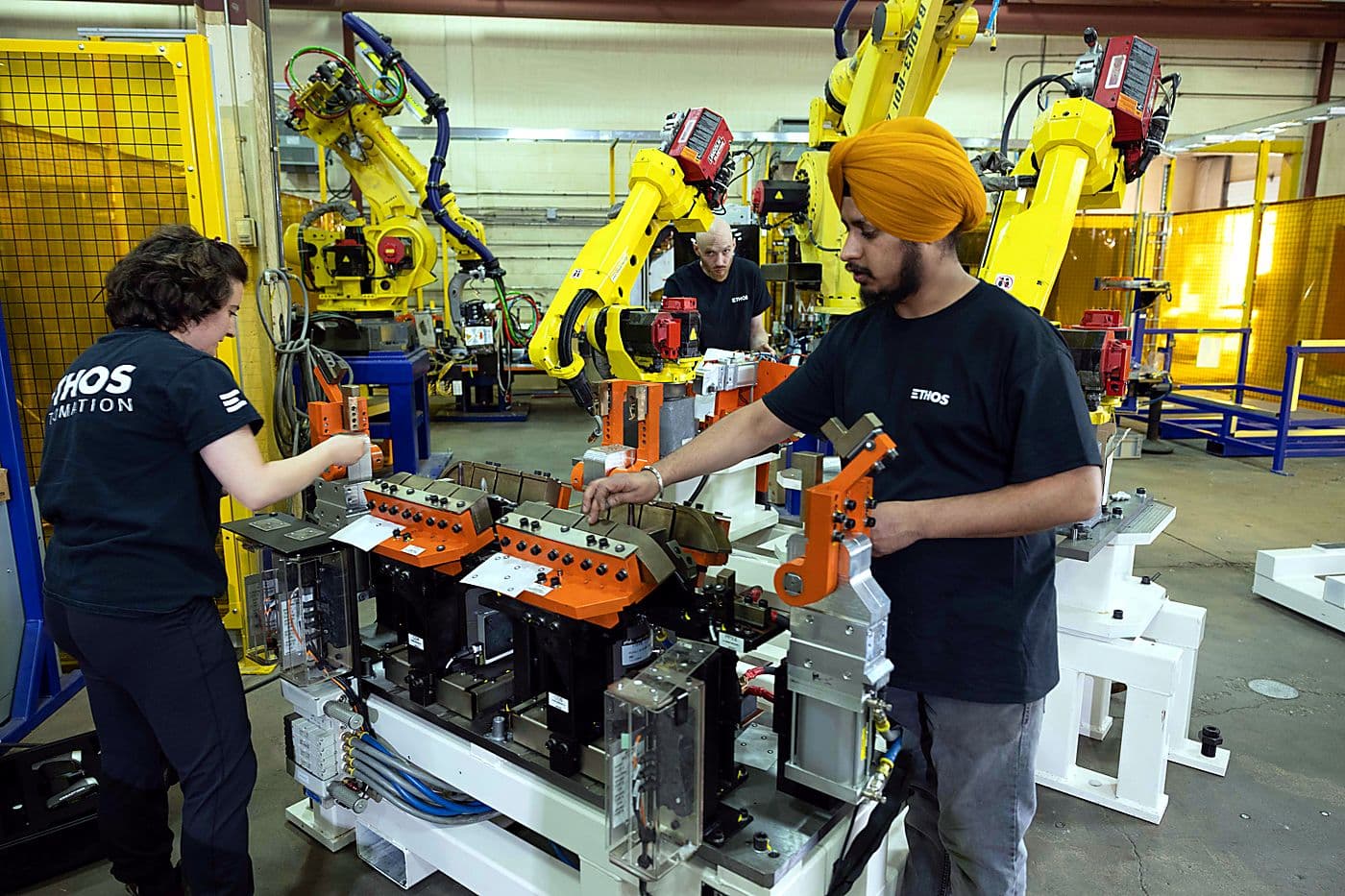
Machine shop, mechanical assembly and electrical assembly on one schedule.
Plan
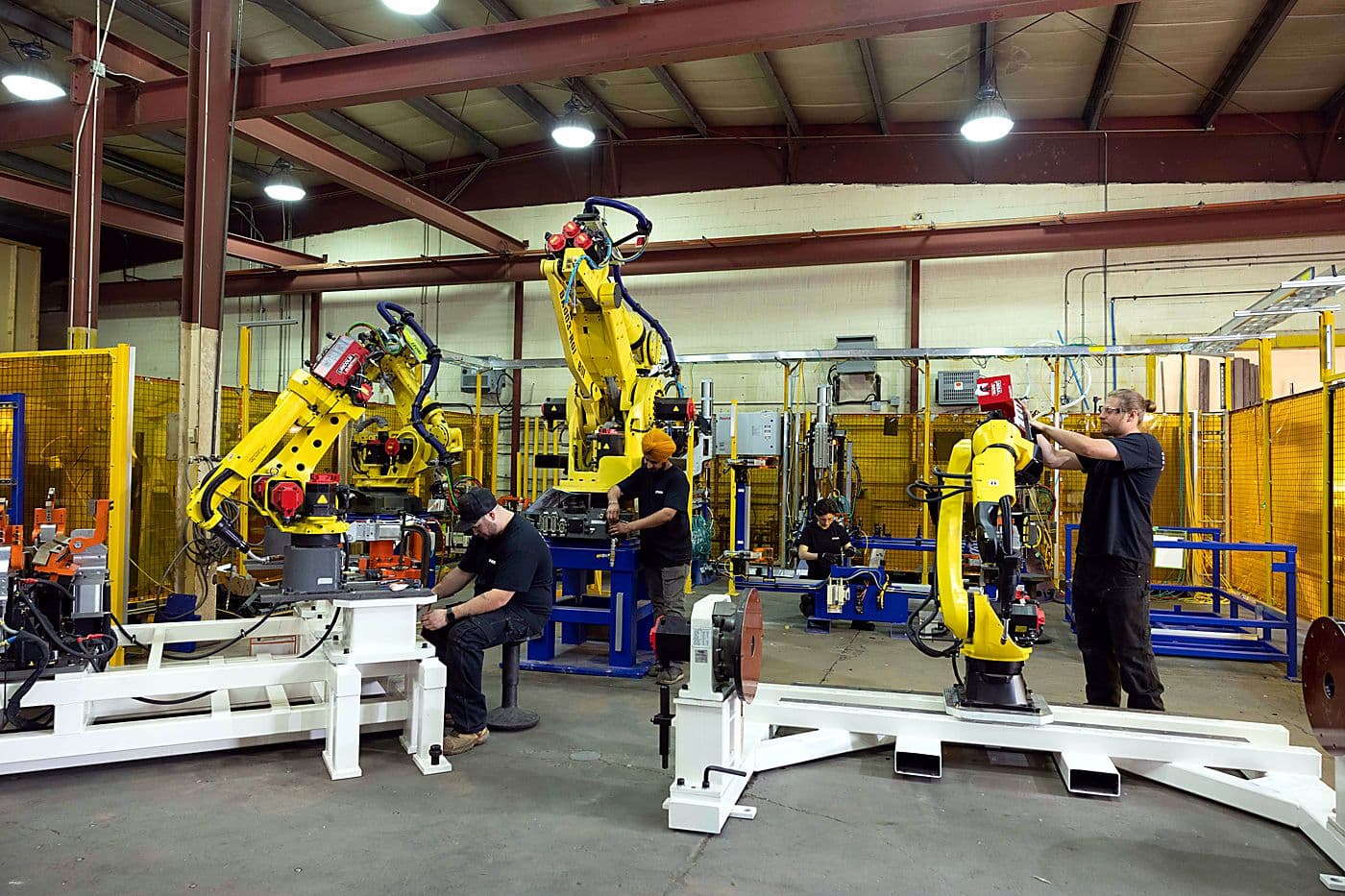
- Machine shop reviews drawings, tolerances and materials to plan tooling, setup and machining programs.
- Mechanical assembly reviews design, hardware, fittings and assembly sequence before the build starts.
- Electrical assembly plans panel construction, wire routing and testing from the schematics.
- The three groups build one coordinated schedule and milestone plan before any material is cut.
Align
- The machine shop's precision components become the foundation mechanical assembly builds into larger systems.
- Electrical assembly installs and connects wiring and controls as mechanical integration progresses.
- All three share dimensions, design intent and schedules continuously, to catch issues early.
- Constant coordination keeps quality, efficiency and safety aligned across the whole build.
Adapt
- Machine shop reworks components when a design changes.
- Mechanical assembly reworks tooling to absorb approved changes, and errors in design, without losing progress.
- Electrical assembly revises panel layouts and wiring to take in updates while staying compliant.
- Because all three adapt together, a mid-build change gets absorbed rather than stalling the build.
Deliver
- From design package to finished product: three disciplines, one result.
Quality
Every tool scanned against its own CAD, every adjustment written down, and the finished line measured against what was sold.
Plan
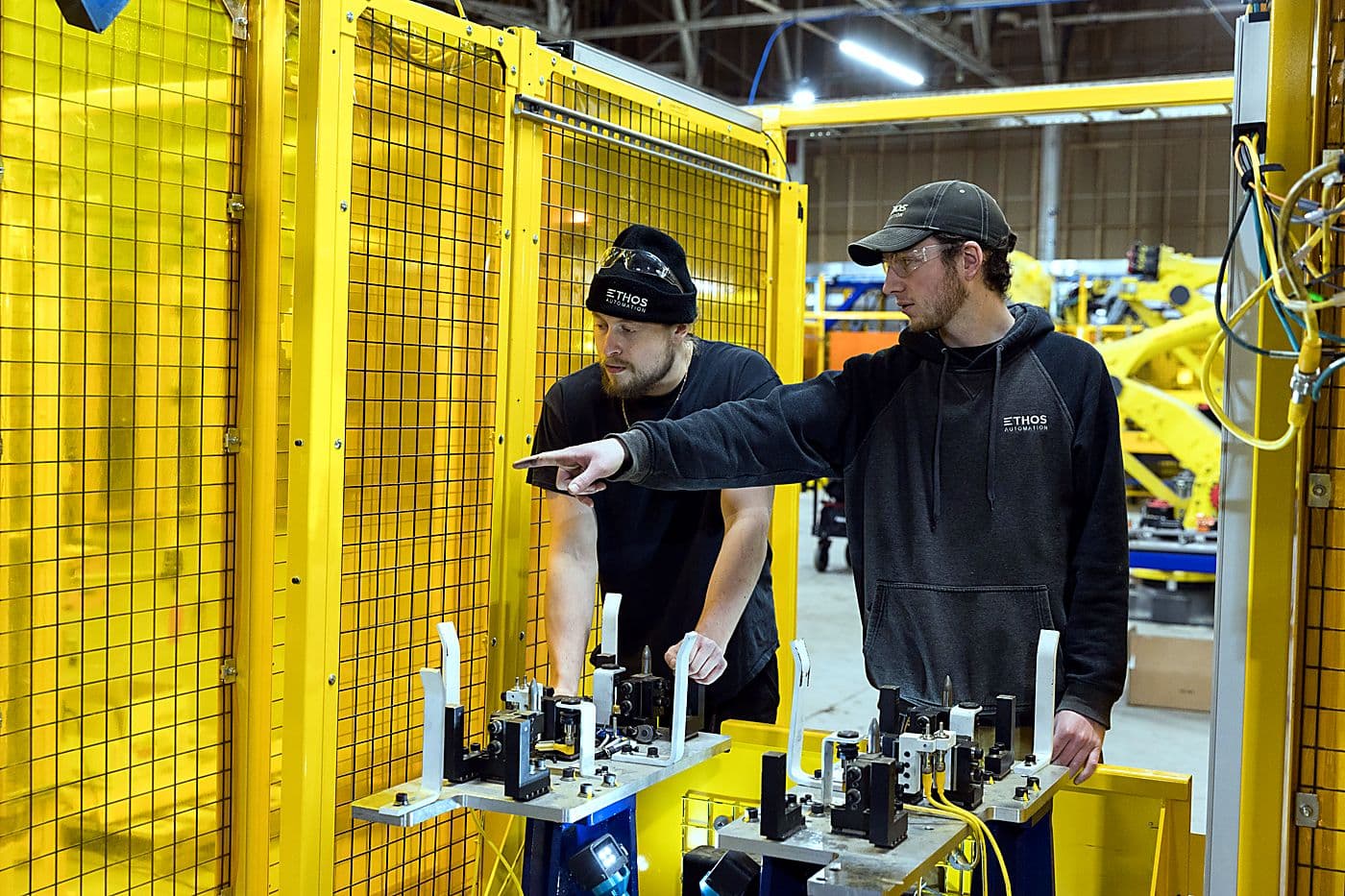
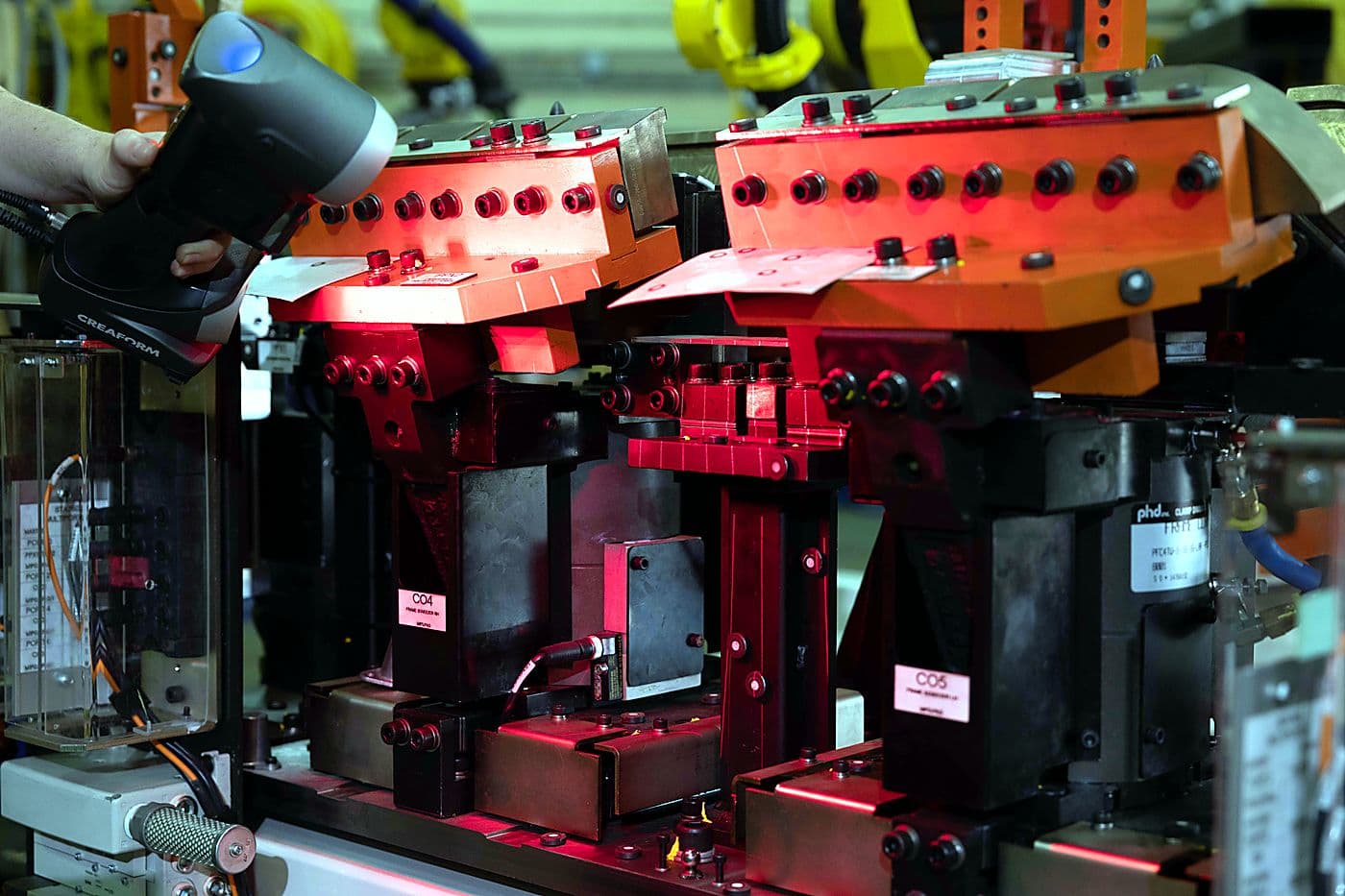
- Once a tool is manufactured and assembled it comes to Quality, where the station is set to nominal before any verification begins.
- The customer's tolerance spec, typically 0.1 to 0.25 mm from nominal, is checked against the fixture.
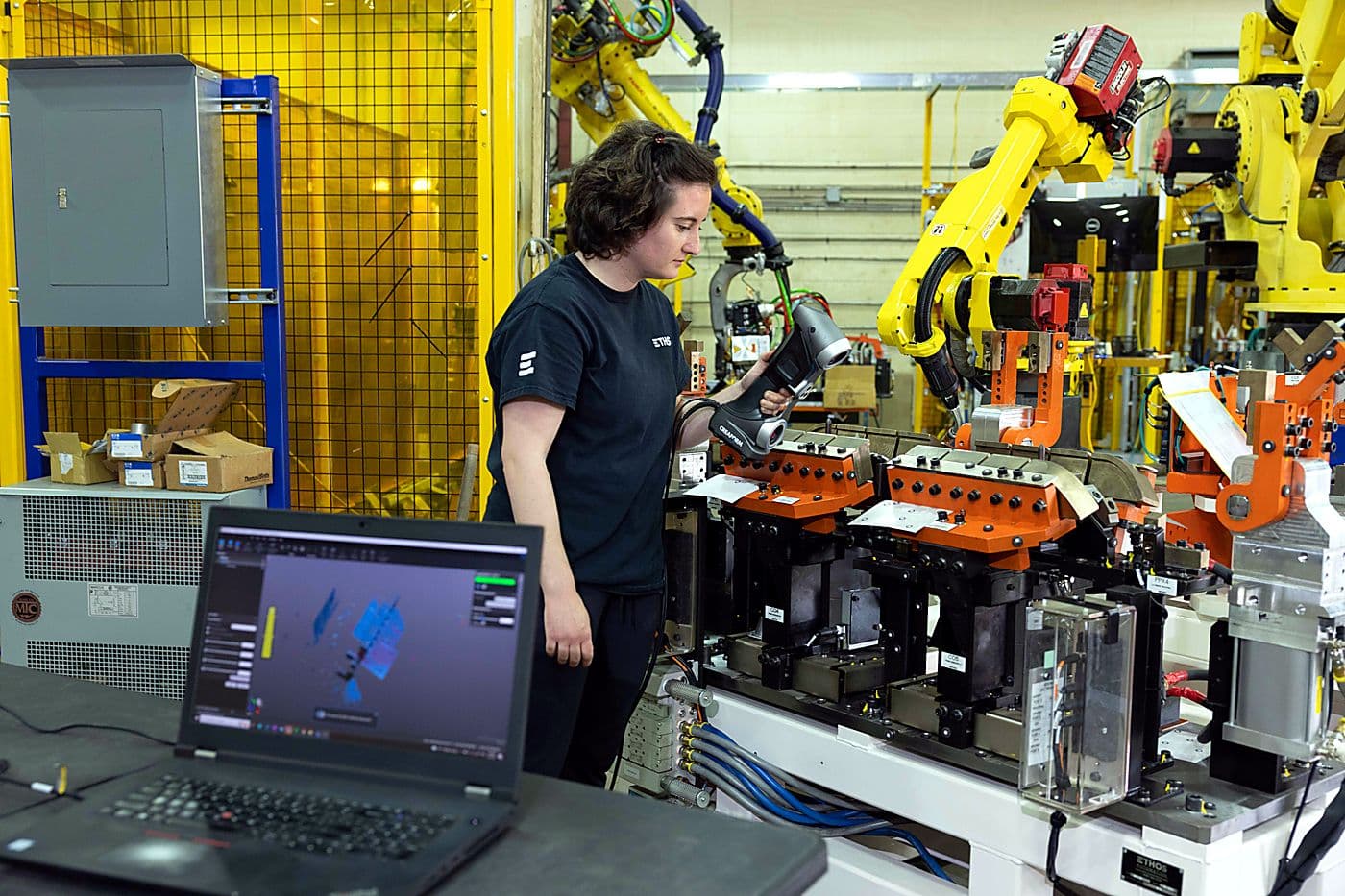
- The fixture's CAD is imported into PolyWorks and its key faces, the pins and nets, are programmed into the software.
- A shim log and a labelled record of every shim pack in the fixture are built, so every adjustment is tracked.
- Every tool built goes through this, not a sample of them, and the same check is run on the line itself once the tools are in it.
Align
- Design provides the tooling CAD with shot pins in their work position and clamps open, so every feature is visible for the scan.
- Once the scan is done, Quality hands the fixture back to assembly with the shim log, the shim presentation and the fixture report: a full record of what changed.
- A signed checklist confirms everything loosened during scanning has been tightened back to spec, and everything removed has been reinstalled.
Adapt
- When a scan comes back out of tolerance, the software shows exactly how far off it is and in which direction.
- A large deviation is treated as a red flag rather than a shim problem: the shim stack and the installed feature are confirmed first, and design or assembly are brought in if the numbers still do not add up.
- Anything within the normal correction range is adjusted with shim material, in the direction and by the amount of the miss, then re-scanned.
- A large move, or a feature with three axes to adjust, takes several rounds of scan and adjust before the fixture is fully within spec.
Deliver
- Once the line is assembled and running at Ethos, Quality scans the finished parts, after assembly and welding, against the part's own CAD in PolyWorks.
- Every scanned point and its result is documented in a report, so both sides can dial in part quality before the line ships.
- Because the measurement arm is portable, the same check can be run at the customer's site.
- This part scanning is the CMM side of the department: verifying the parts being produced, not only the tool that makes them.
- The finished line is signed off against what was quoted, so what ships is measured against what was sold rather than against whatever it became.
Automation
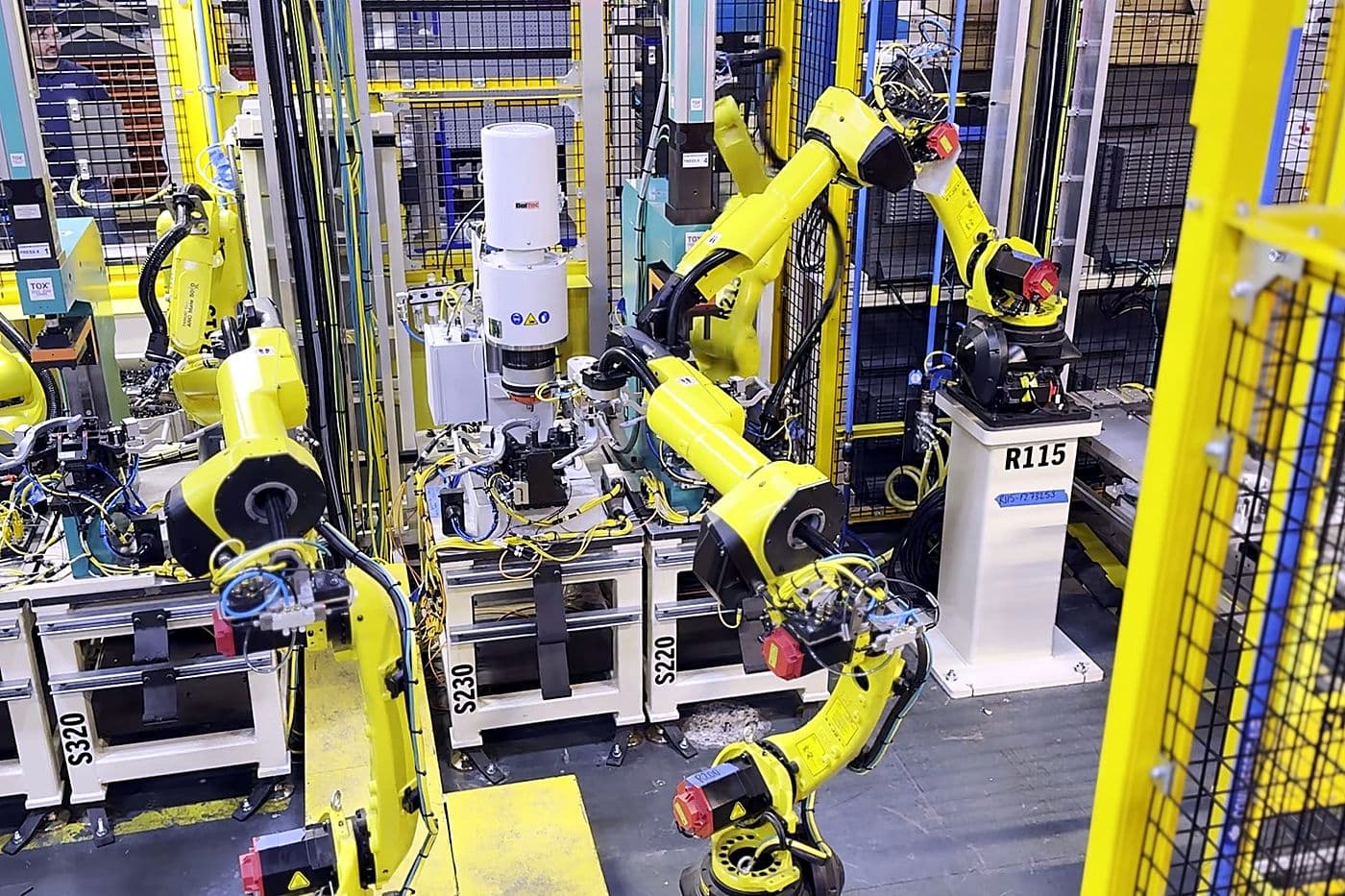
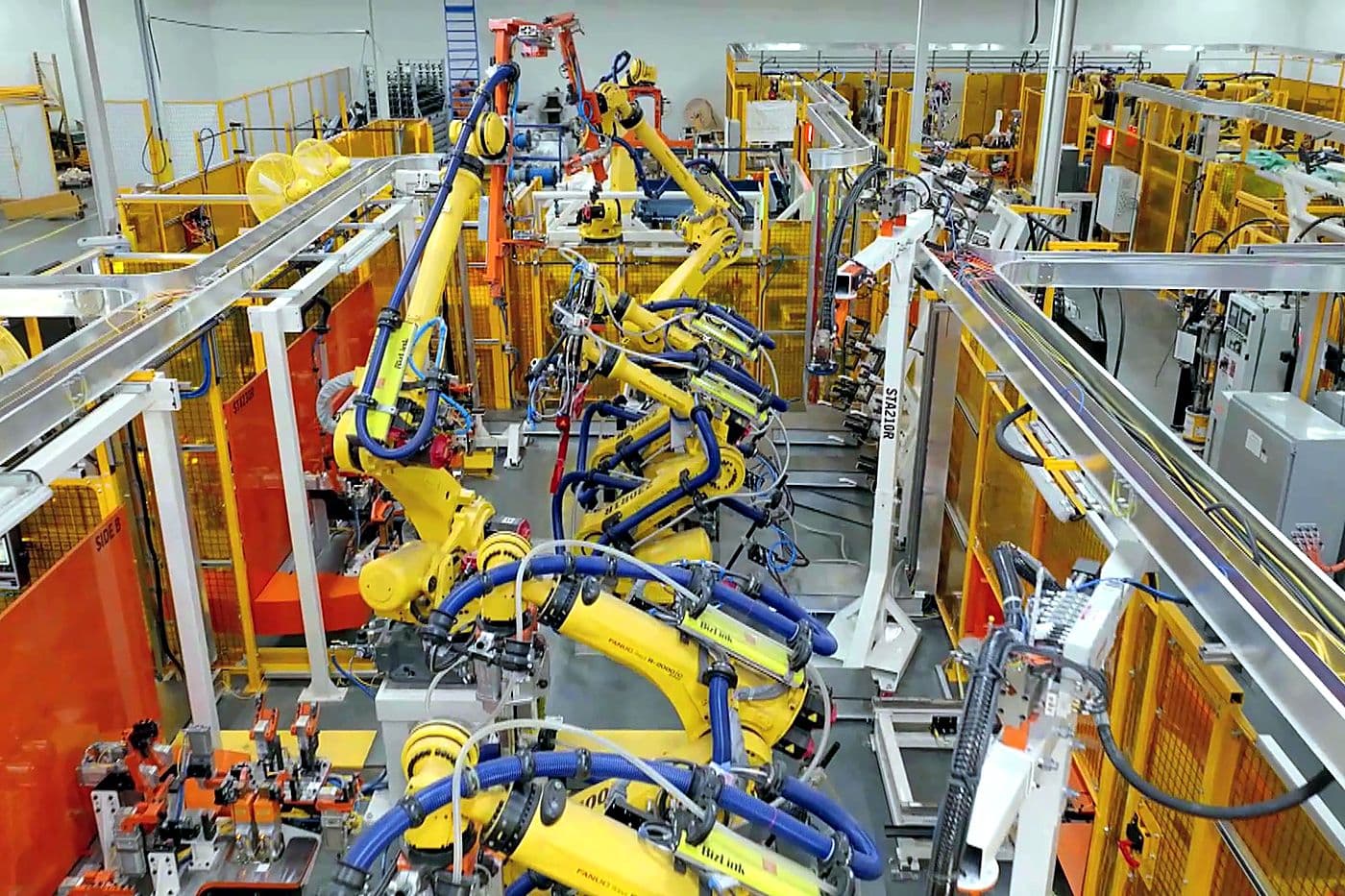
The largest department at Ethos: robot programming, controls and commissioning, from simulation to run-off.
Plan
- Automation plans inside systems design rather than after it. The schematics, the offline code and the simulation described in that stage are the same work, and they are where a robot program starts.
- Robot selection, reach and payload studied against the real part and the real cycle, before anything is bought.
- Cell layout proven in simulation, so a reach problem is found on a screen rather than on a floor with the robot already bolted down.
- Offline programs written against the simulated cell, so the robot has a program before it has a floor.
Align
- Automation works from the same drawing set as electrical and controls, so I/O, safety circuits and robot signals agree instead of being reconciled at commissioning.
- Cycle time validated in simulation against the contract target before the build commits to it.
- Sequence of operations agreed with the customer, so the cell does what the plant actually expects it to do.
Adapt
- Live PLC, HMI and robot changes are normal on a commissioning floor and routinely diverge from the offline code. The as-built program is the one that ships, and it is the one documented.
- Vision routines are retrained against real parts rather than CAD, because real parts vary and CAD does not.
- A changed part, an added variant or a cycle time that moves is absorbed into the program and the sequence rather than restarting them.
Deliver
- Run-off at Ethos before anything ships, against the customer's own acceptance criteria.
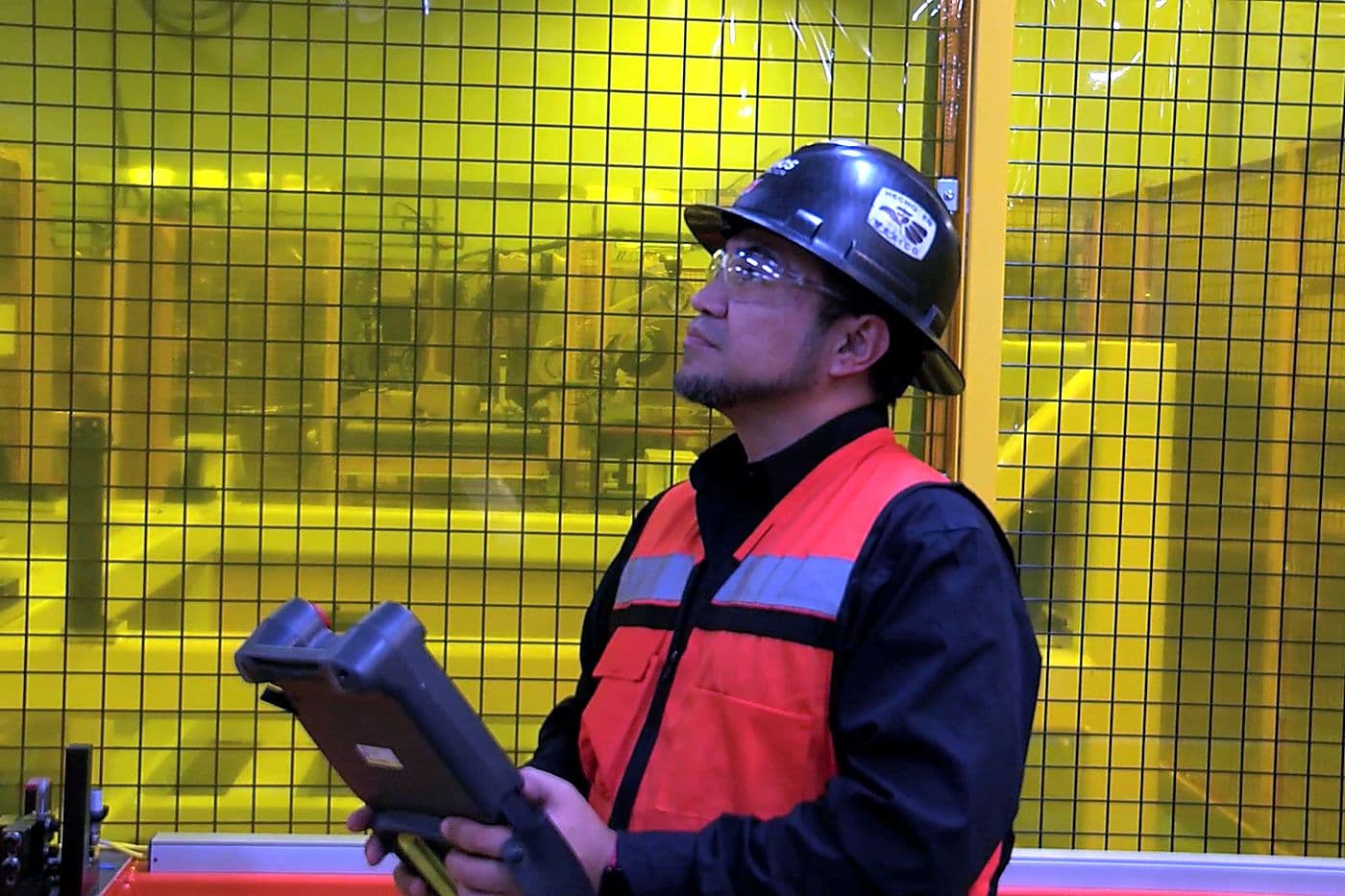
- On-site commissioning and startup, with training for the people who will run it after we leave.
- Safety validated and documented in DCSReport, so the Pre-Start Health and Safety Review engineer reviewing the line is handed a package they can work straight from rather than one that has to be rebuilt for them.
- As-commissioned programs, parameters and documentation handed over, so the plant can maintain the cell without calling us.
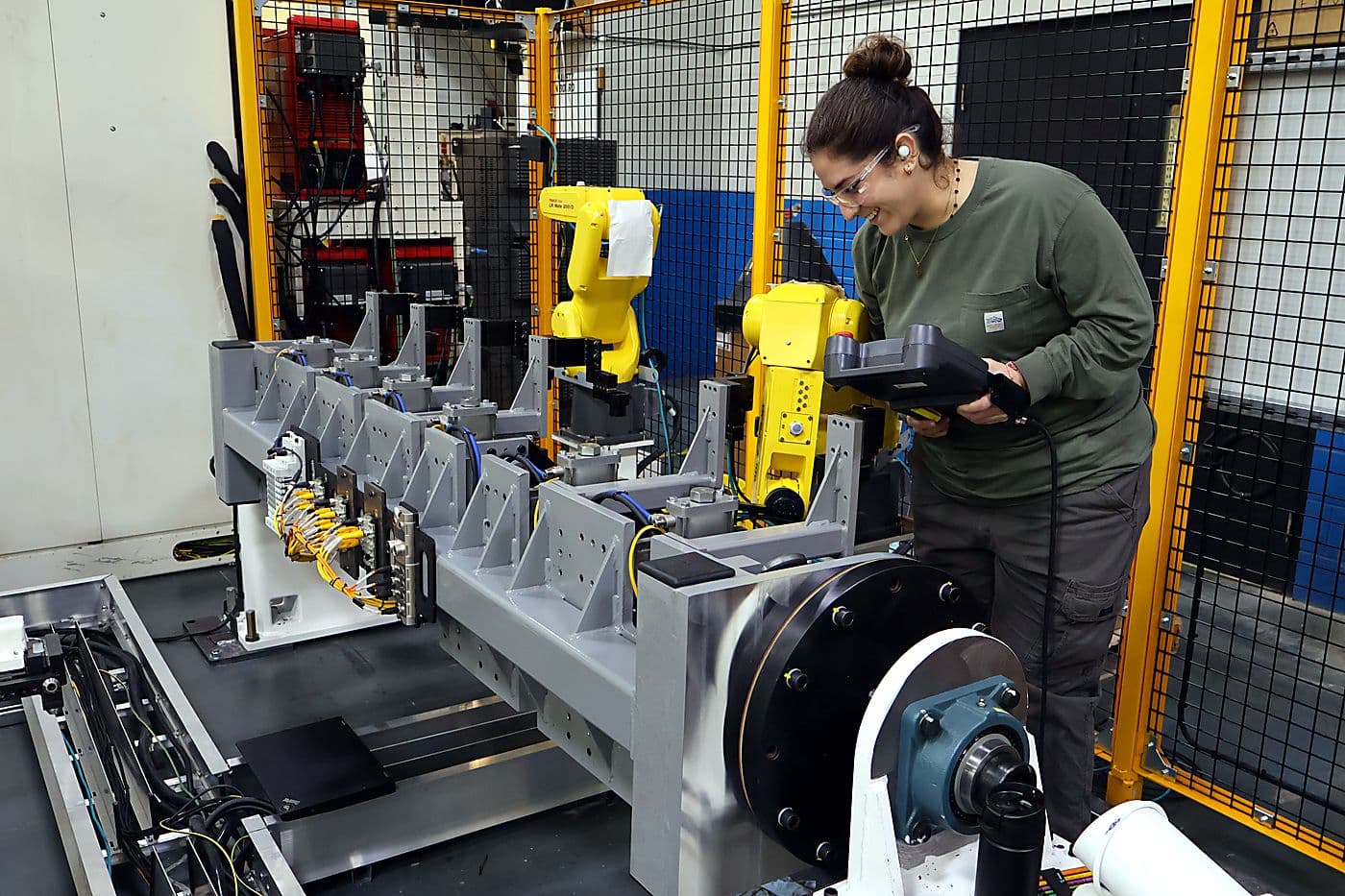
Ethos Mexico
A branch of Ethos Canada in Puebla, building the same systems to the same standards, and the team on the ground when a line built in Canada lands in Mexico.
Plan
- Puebla is a branch of Ethos Canada rather than a separate company or a cheaper alternative to it. Same capabilities, same standards, same process, and the same products delivered out of either floor.
- Every project starts with a kickoff that sets scope, timeline and resourcing before design begins.
- Process flow reviewed jointly with the customer, matching equipment to the real production requirement instead of a one-size-fits-all cell.
- Mechanical, controls and layout designed in house and validated in Siemens Process Simulate before a single part is built.
- 3,700 square metres of fully equipped production floor.
Align
- The two floors run as one. Processes, standards and scheduling are kept aligned across Canada and Mexico rather than maintained twice and reconciled later.
- Components and materials tracked against the approved design, keeping procurement aligned to the build schedule.
- Assembly and integration bring mechanical, robotics and controls together on one floor, with FANUC-certified robot, PLC, HMI and vision programming.
- Testing and validation confirm the cell performs to spec before it ever ships.
Adapt
- Puebla also supports the Canadian floor. A line built in Canada for a plant in Mexico is picked up by the team already there, so install and startup do not depend on flying people across a border and keeping them there.
- An ISO 9001:2015 certified, risk-managed methodology absorbs delays, scope changes and design conflicts without losing the schedule.
- Flexible delivery: a full turnkey build, or on-site programming through Ethos On Site, depending on how the customer wants to work.
- In-house measurement-arm inspection and virtual commissioning catch issues before install rather than after.
Deliver
- Startup and commissioning completed on site, with support continuing after launch.
- For a manufacturer with plants on both sides of the border, the same company builds the line and supports it where it ends up.
THE NEXT MOVE IS YOURS.
What could we
build together?
Bring your part, your process, or the problem you haven’t solved yet.
Download the capability sheet One page. No form.